Field notes · 13–15 October 2026
When the stains stay.
Preparing five cargo holds for the next cargo, from the master's own notes. What we did, what failed, and what we changed.
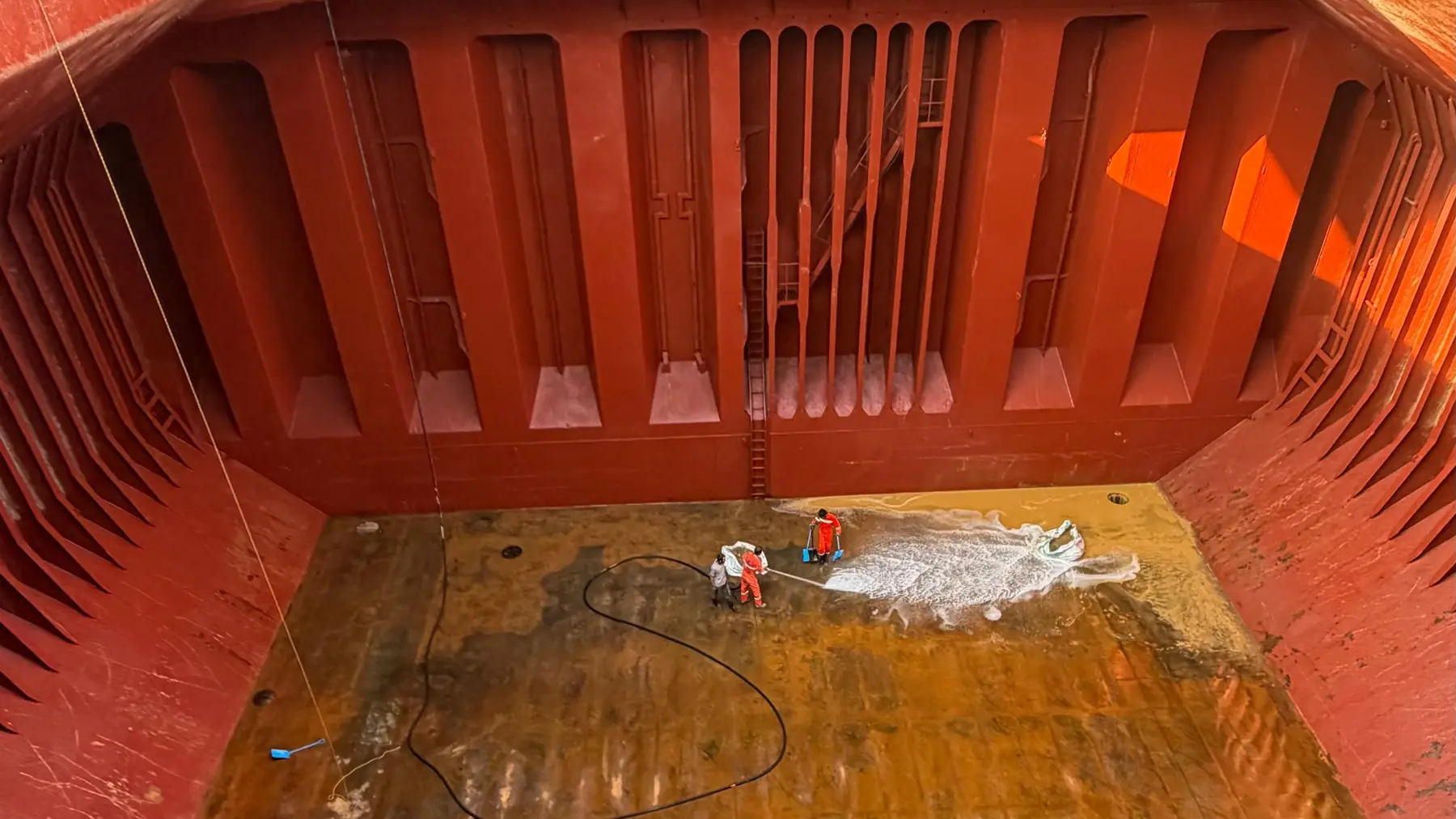
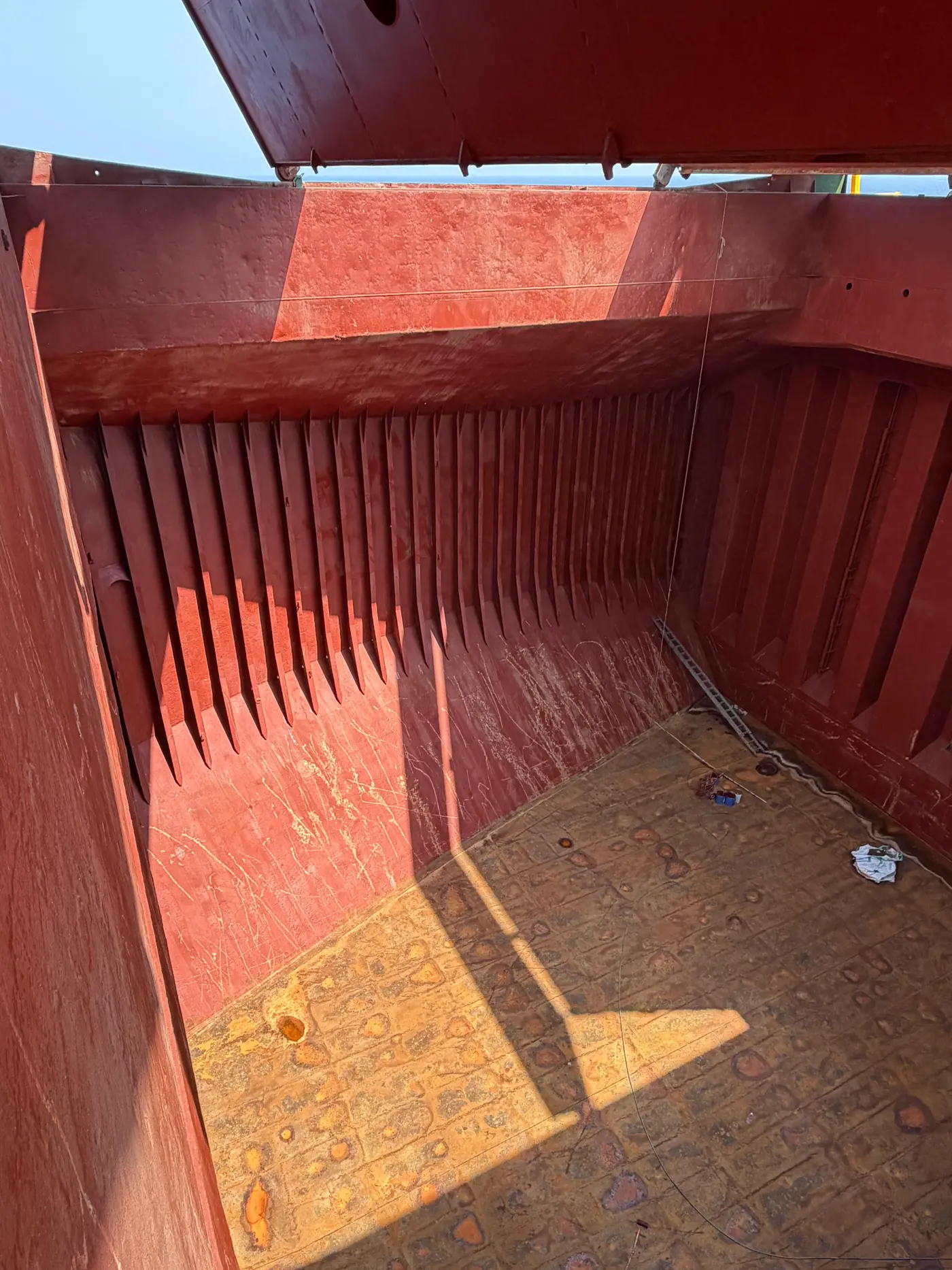
Hold 3 during the sea-water wash. Crew seen only from above. Photo: Hakan Köse.
1 · Sweep
Get the old cargo out first.
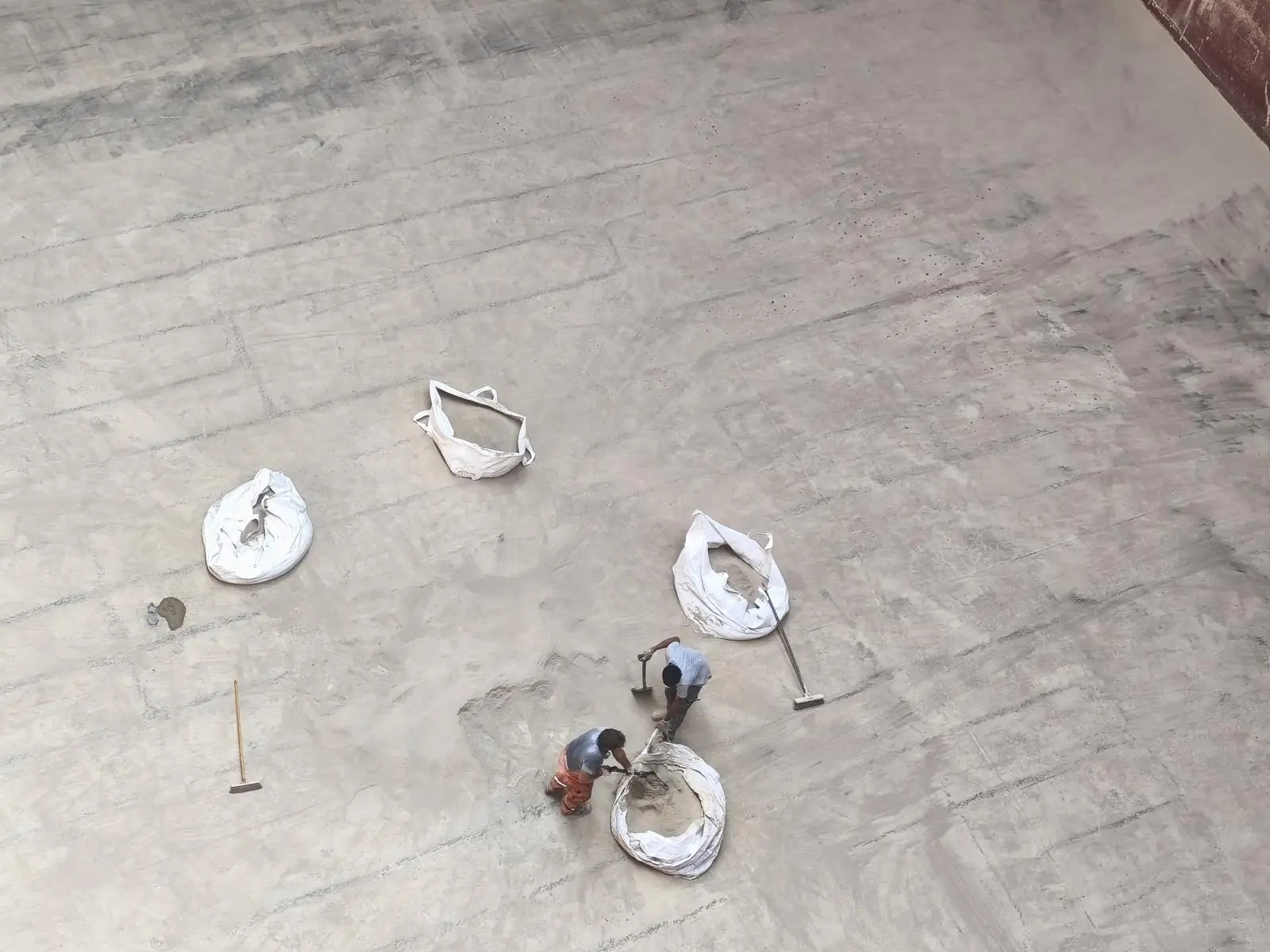
We swept the residue of the previous cargo before any water went in.
A "normal clean", where the charter party says nothing more, means residues removed, holds double swept, salt-water washed, fresh-water rinsed and dried. The Swedish Club, Hold cleaning guide
2 · Sea-water wash
Wash. Then look hard.
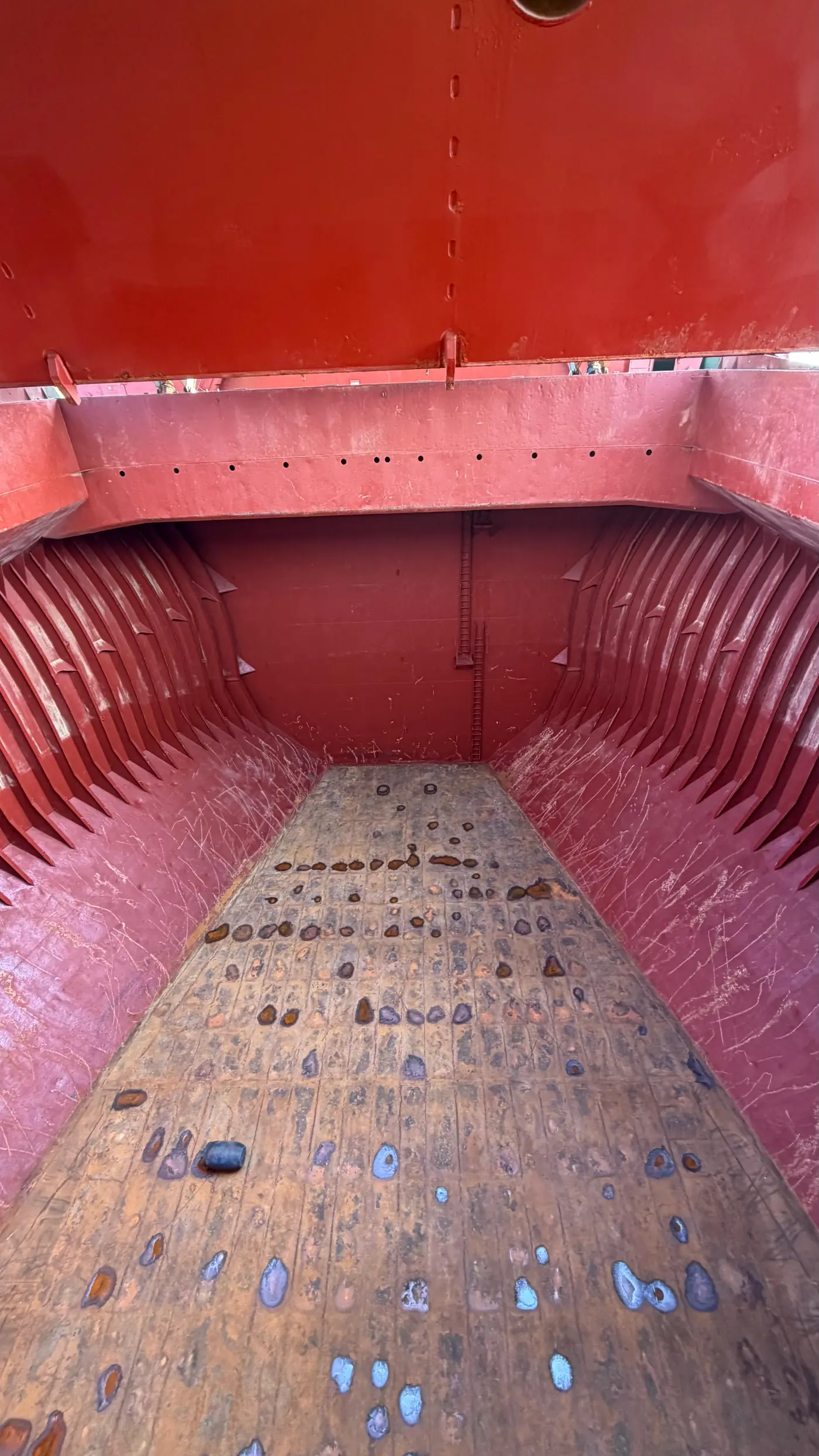
Next, we washed the holds with sea water. Stains remained on the side plates, so chemical cleaning came next. The chemicals and materials had been supplied in advance.
After sea water, a thorough fresh-water rinse removes chlorides. Salt residues can fail the hold inspection, contaminate the next cargo and break down the coating. Flush the salt water out of the fixed lines before you rinse. West P&I, Cargo hold cleaning
3 · Alkaline, then acid
Two chemicals. The stains stayed.
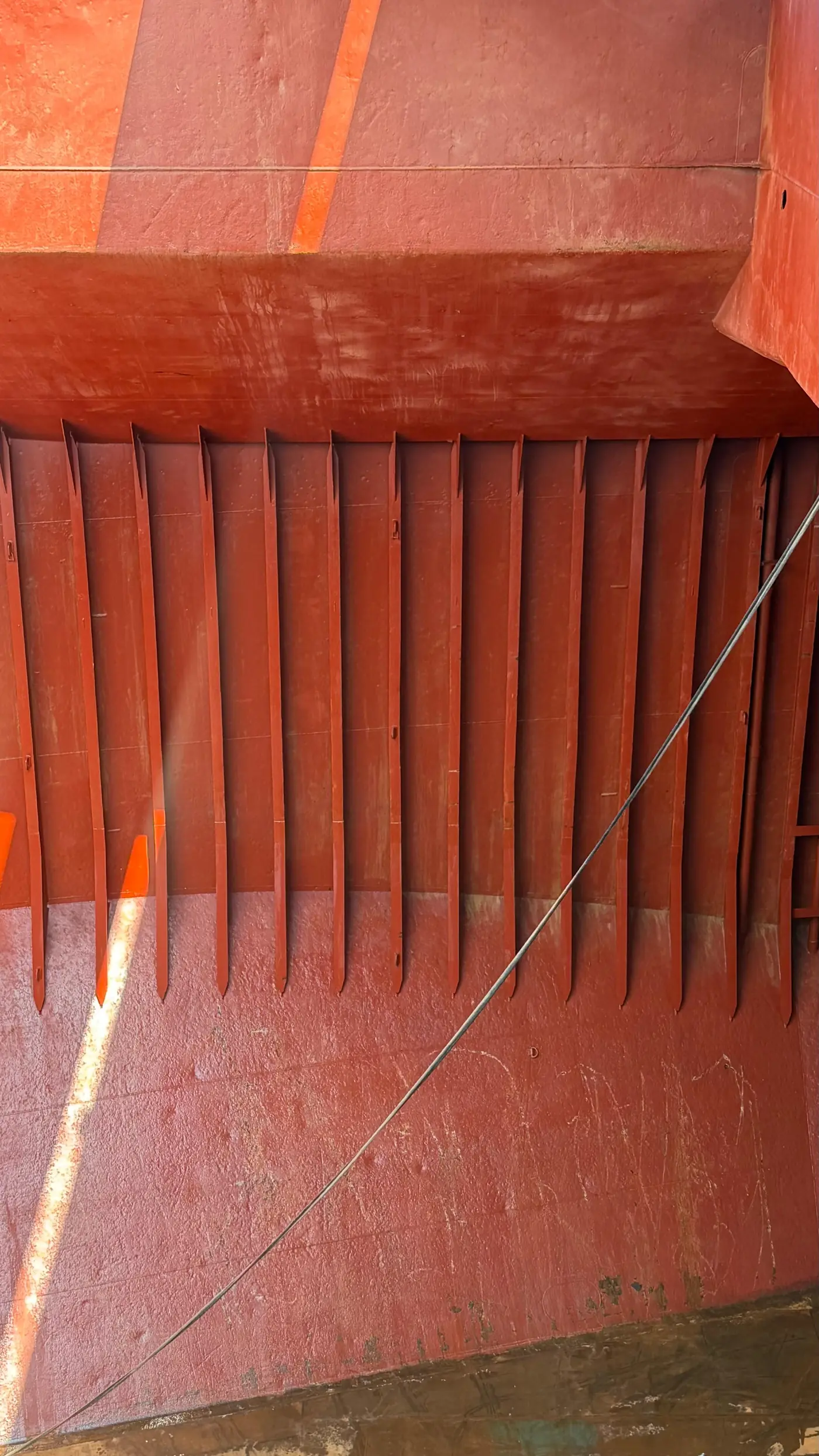
Hold 1: alkaline cleaner, then a high-pressure fresh-water wash. The stains didn't come off. Acid cleaner had been ordered in advance as plan B.
Hold 2: alkaline on 13 October, acid on 14 October, then rinsed and dried. The stain was still there.
Why: the chief officer's report found the stains came from an older cargo, not the last one, and had bonded to the side plates.
Cleaning chemicals are applied and left to react with stains before washing off. West P&I. Use chemicals compatible with the hold paint system and the next cargo, and follow the maker's instructions. Britannia P&I. Read the SDS, assess the risk, use proper PPE and a permit to work. UK P&I, Carefully to Carry ch. 17
Why alkaline and acid fail on stains from an older cargo: not found
4 · Change the plan
Stop washing. Paint.
With acid unlikely to work and time running short, the master changed the plan. Hold 1 was painted over the stains and finished on 14 October. Hold 2 got a paint order too.
Holds 3, 4 and 5 got no chemical wash. On 15 October only the stained spots were to get touch-up paint, not a full repaint. Each hold was judged on its own, because washing is much faster than painting.
Check that the hold coating suits the next cargo. Britannia P&I
Paint product, drying time before loading: not found
5 · The spray rig
About USD 200. Built on board.
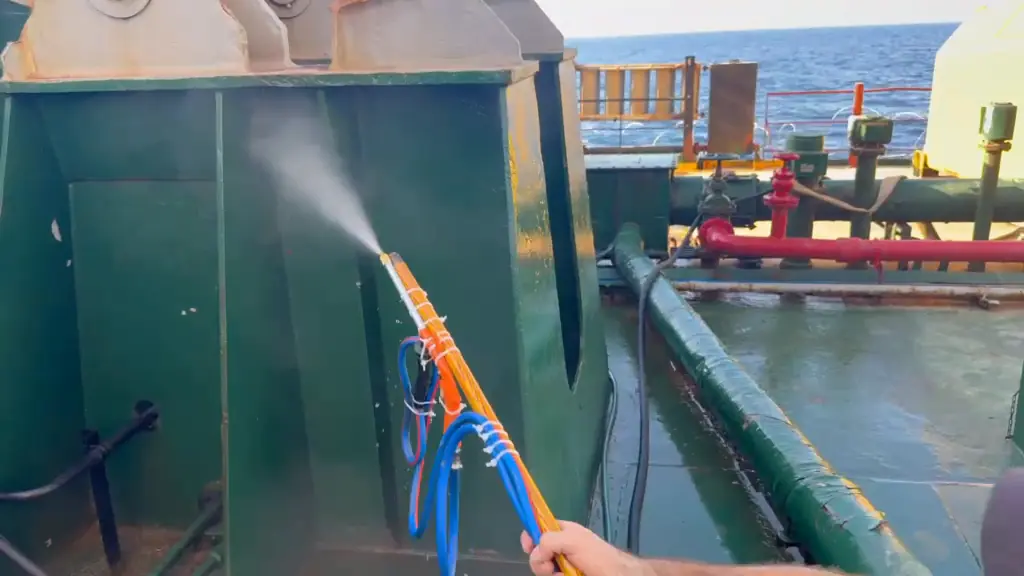
The master designed and built his own chemical spray system for hold cleaning. It cost about USD 200. Standard kits can cost up to USD 3,000. We used it to apply alkaline cleaner to hold 1's side plates.
Parts list and pressure rating: not found. Kit prices are the master's own note, not a quote.
For owners and superintendents
- Find out what the stain is before choosing a chemical. Here it came from an older cargo, and two chemicals failed.
- Order plan B early. The acid cleaner had been ordered in advance as plan B, in case the alkaline did not work.
- Decide hold by hold. Washing is quicker than painting, so paint only where washing fails.
- A simple rig built on board did the job here for about USD 200.
These tips are our own wording, based only on this voyage. They are not a general standard; for the standard, see the club guides linked above.